Whether folklore or an old artisan’s tale, it is often said that the true skill of making Bidriware lies in tasting the soil used in the process. Generations of artisans in Bidar have spoken of this unusual test — an instinctive way of identifying the special black soil that gives the craft its distinctive finish. Passed down through families of craftsmen, such traditions continue to shape this remarkable metal inlay technique.
Originating in the historic town of Bidar in Karnataka, Bidriware forms part of the rich heritage of South Indian crafts and the wider traditions of Indian handicrafts. The craft is built on the striking contrast between a deep black metal surface and delicate inlay work in silver, brass or sometimes gold. Artisans carve intricate patterns into the metal and carefully embed fine wires of precious metal, creating designs that shimmer against the dark background.
The visual effect often evokes the image of a clear, starry night sky — silver motifs glimmering softly against an inky surface. Floral vines, geometric patterns and stylised forms gradually emerge through this patient process, each object reflecting the artisan’s steady hand and sense of balance.
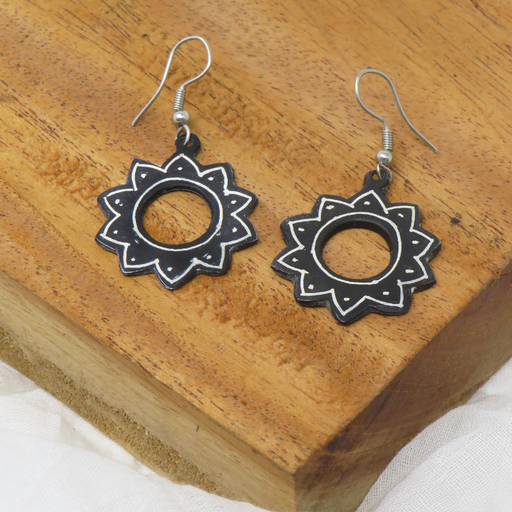
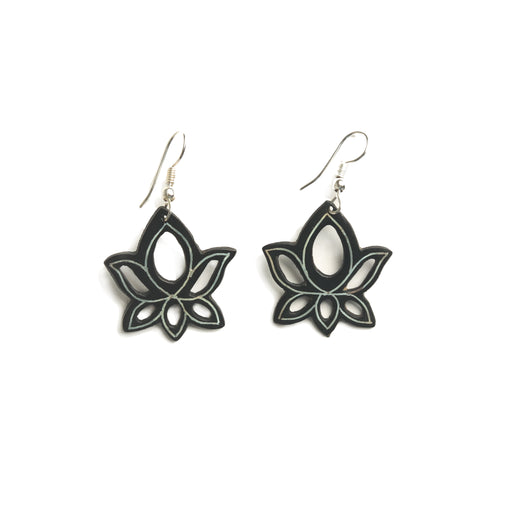
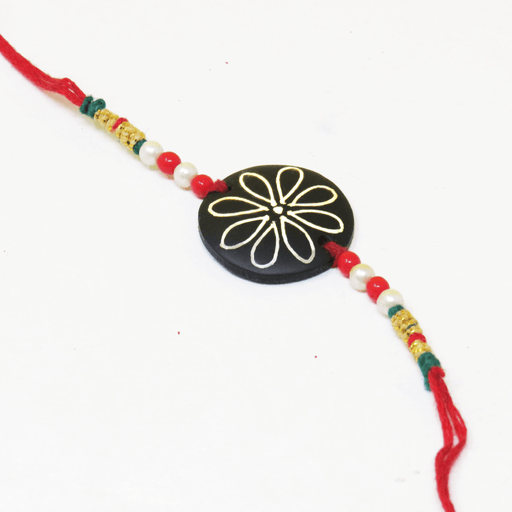
Today Bidriware continues to find new expression in contemporary handcrafted home décor, jewellery and collectible decorative objects. From intricately patterned vases and boxes to elegant plates, trays and Bidriware jewellery, these pieces bring the beauty of traditional silver inlay into modern homes and personal adornment. Carefully handcrafted by skilled artisans, Bidriware décor, jewellery and gifts are often chosen for their cultural heritage and craftsmanship — and are especially valued as meaningful wedding return favours and keepsakes.
Bidriware handicrafts are one of the many rich hand crafting traditions of South Indian crafts.
And like many traditions featured in our Crafts of India collection, Bidriware Handicrafts reflect the close relationship between local materials and artisan skill.